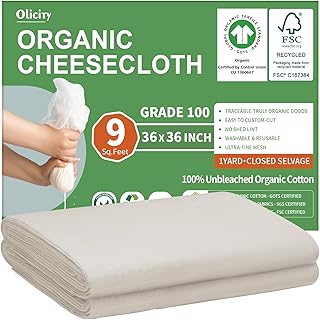
For centuries, a simple, woven cotton fabric has been an indispensable tool in kitchens, dairies, and workshops. This fabric is cheesecloth, a versatile material whose uses extend far beyond its name. Traditionally essential for separating curds from whey in cheesemaking, modern cheesecloth is a multi-purpose hero for home cooks, bakers, juicers, and crafters alike. Its open weave allows for fine straining while being durable enough for repeated use, especially in its higher grades.
Understanding Cheesecloth Grades: Why It Matters
Not all cheesecloth is created equal. It is categorized by grades, which refer to the number of threads per inch. The higher the grade, the tighter and denser the weave. Grade 100 cheesecloth, often called "butter muslin," is the finest and most durable. Its ultra-dense weave captures the tiniest particles, making it perfect for straining fine stocks, clarifying butter, making soft cheeses like ricotta, or creating smooth nut milks. For a deep dive into the specifics, our Grade 100 Cheesecloth Ultimate Guide is an excellent resource.
Lower grades (like 40, 50, or 60) have a looser weave and are suitable for tasks like bundling herbs, wrapping a turkey for roasting, or light dusting. When selecting a cloth for serious food straining or cheese making, investing in a high-grade, reusable option pays off in performance and longevity.
Top Uses for Your Kitchen Cheesecloth
The applications for this humble fabric are nearly endless. In the culinary world, it's a cornerstone for cheesemaking supplies. Whether you're crafting a creamy farmer's cheese or hanging yogurt to make labneh, a quality cheese making cloth is non-negotiable. Beyond dairy, it's perfect for juice straining to remove pulp, clarifying broths and consommés, and making ghee. Many cooks swear by it for cooking turkey—wrapping the bird in a cheesecloth soaked in butter or stock keeps the breast meat incredibly moist.
Outside the kitchen, unbleached cotton cheesecloth is a favorite for DIY crafts. Its soft, pliable nature makes it ideal for ghost decorations, costume aging, faux cobwebs, plant wrapping, and even as a gentle polishing cloth. The key for all these uses is choosing a food grade cheesecloth that is safe, durable, and reusable.
Choosing the Best Cheesecloth: Features to Look For
With so many options on the market, knowing what to look for can simplify your choice. Here are the key features of premium cheesecloth:
Material: Always opt for 100% cotton. Unbleached cotton is a pure, chemical-free choice, especially for DIY cheese making and cooking. Bleached versions, like the GoodCook Everyday Cotton Cheesecloth, offer a bright white appearance and are thoroughly washed and safe for food use.
Construction: Hemmed or finished edges are a sign of quality. They prevent fraying, make the cloth easier to handle, and significantly extend its reusable life. Look for products with "closed edges" or "hemmed 4 edges," such as the 12Pcs Reusable Cheese Cloths with hemmed edges.
Certifications: For the most natural option, seek out organic and GOTS-certified cloths, which guarantee strict environmental and social standards from harvest to finished product. The Organic Cheese Cloths, GOTS Certified are a prime example of this top-tier quality.
Size and Pack: Consider your typical use. Larger 36x36 inch sheets, like the Cotton Farm Grade 100 XL Cheese Cloth, are versatile for big batches. Precut packs in sizes like 20x20 or 15x15 inches offer convenience and consistency. Multi-packs, such as the High-Grade 100 Cheesecloth – 6-Pack or the Mostdream 10-Pack, are economical and ensure you always have a clean cloth on hand.
Caring for Your Reusable Cheesecloth
One of the greatest benefits of investing in a high-grade cloth is its reusability. Proper care is simple: rinse the cloth immediately after use in cold water to remove food particles. For a deeper clean, hand-wash or machine wash on a gentle cycle with mild detergent. Avoid fabric softeners, as they can coat the fibers. Always air dry completely before storing. With proper care, a good cheesecloth can be used dozens of times, making it a sustainable and cost-effective cooking essential.
From the serious home cheesemaker to the weekend juicer or Halloween crafter, having the right cheesecloth on hand unlocks a world of possibilities. By understanding grades, prioritizing features like hemmed edges and organic cotton, and choosing a reputable product from a detailed Cheesecloth Guide, you can equip your kitchen and craft room with a tool that is as functional as it is fundamental.